
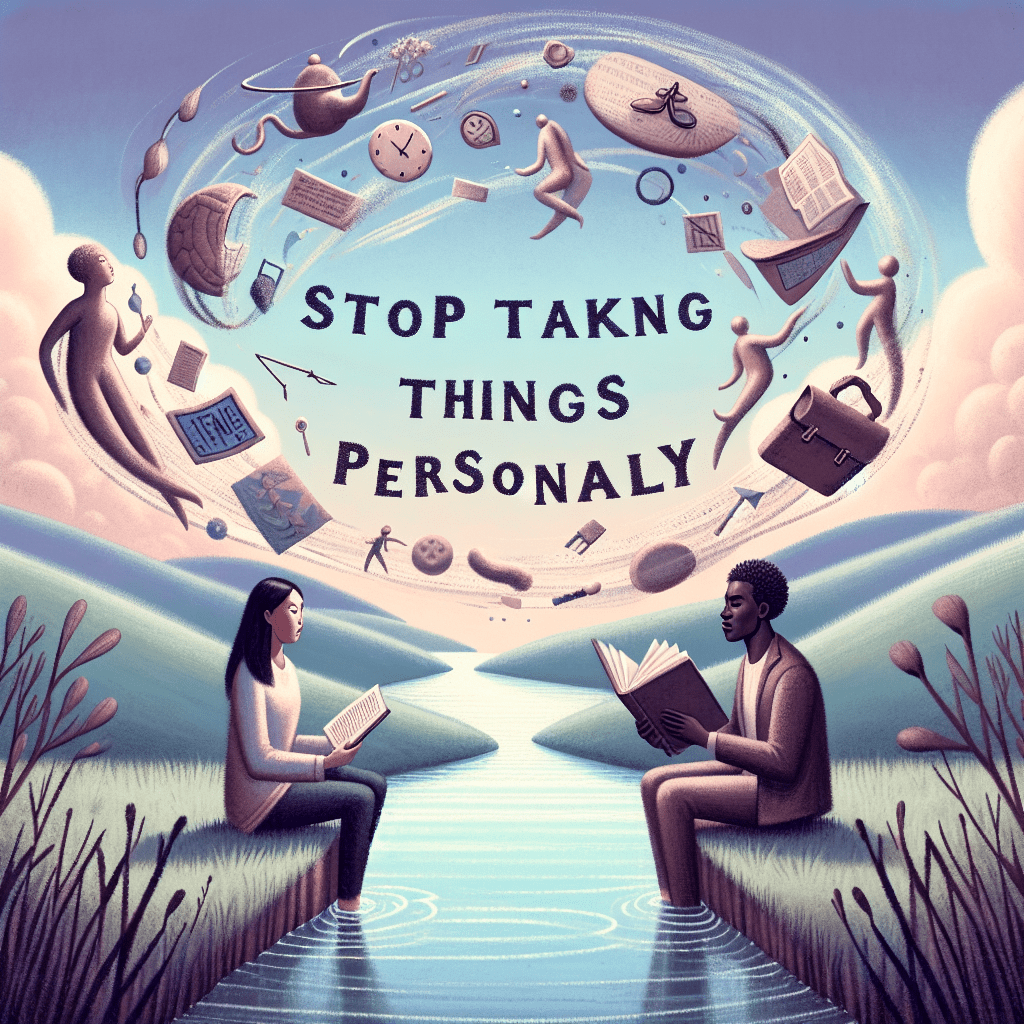
It’s a natural human instinct to take things personally. We often internalize the words and actions of others, making them all about us. Whether it’s a rude comment from a coworker, a rejection from a potential love interest, or a disagreement with a close friend, we can’t help but feel hurt, angry, or upset.
Taking things personally can have a significant impact on our mental well-being. It can lead to self-doubt, and low self-esteem, and ultimately, can hinder our personal growth. So, why do we continue to let it affect us and what can we do to stop taking things personally?
First and foremost, it’s vital to understand that people’s actions and words are a reflection of themselves, not of you. Everyone has their own personal experiences, beliefs, and perspectives that influence how they behave and communicate. So, when someone says or does something that upsets you, it’s often about them and not you. It could be a reflection of their insecurities, biases, or the result of a bad day they are having.
Imagine a world where interactions with others didn’t trigger feelings of personal offense or doubt. This may seem utopian, but it’s within our grasp if we learn to stop taking things personally. It’s crucial to realize that people’s behavior and words often have little to do with us; they’re influenced by their own experiences, emotions, and perceptions. By shifting the focus from ourselves to understanding the motives behind others’ actions, we can free ourselves from unnecessary emotional burden.
When we stop taking things personally, we open ourselves up to genuine connections and productive conflict resolution. We gain the ability to approach disagreements with curiosity rather than defensiveness. Understanding that not everything is about us doesn’t diminish our importance but rather liberates us from limiting beliefs and emotional turmoil. It allows for greater self-awareness and resilience in navigating life’s complexities without being weighed down by misunderstandings or perceived slights.
Another thing to keep in mind is that everyone has their own opinion. We are all entitled to our thoughts and beliefs, and it’s essential to respect other people’s perspectives. If someone doesn’t agree with you or doesn’t like something you’ve said or done, it doesn’t mean they dislike you as a person. It merely means they have a different view, and it’s not a personal attack on you.
So, how can we stop taking things personally? Here are a few tips:
1. Practice self-awareness: Start paying attention to your thoughts and emotions when you feel hurt or upset by something someone has said or done. Ask yourself, “Am I taking this personally?” Once you become aware of your tendency to do so, it’s easier to redirect your thoughts.
2. Don’t jump to conclusions: We often make assumptions and fill in the gaps without having all the information. Instead of assuming the worst and taking things personally, communicate with the other person and ask for clarification.
3. Change your perspective: Instead of assuming everything is about you, try to look at a situation from the other person’s point of view. Empathize and understand where they are coming from, and it may help you see that it’s not about you.
4. Build your self-esteem: When we have a strong sense of self-worth, we are less likely to take things personally. Work on building your self-esteem and self-confidence by focusing on your strengths, setting boundaries, and surrounding yourself with supportive people.
5. Practice forgiveness: Letting go of grudges and forgiving others can prevent you from taking things too personally. Remember that everyone makes mistakes, and holding onto them will only weigh you down.
Lastly, it’s crucial to remember that it’s okay to feel hurt or upset by someone’s words or actions. We are all human, and we have emotions. The key is to acknowledge your emotions, but not let them consume you.
Imagine a world where interactions with others didn’t trigger feelings of personal offense or doubt. This may seem utopian, but it’s within our grasp if we learn to stop taking things personally. It’s crucial to realize that people’s behavior and words often have little to do with us; they’re influenced by their own experiences, emotions, and perceptions. By shifting the focus from ourselves to understanding the motives behind others’ actions, we can free ourselves from unnecessary emotional burden.
When we stop taking things personally, we open ourselves up to genuine connections and productive conflict resolution. We gain the ability to approach disagreements with curiosity rather than defensiveness. Understanding that not everything is about us doesn’t diminish our importance but rather liberates us from limiting beliefs and emotional turmoil. It allows for greater self-awareness and resilience in navigating life’s complexities without being weighed down by misunderstandings or perceived slights.
In conclusion, learning not to take things personally empowers us to respond thoughtfully rather than react impulsively in challenging situations. In doing so, we can foster healthier relationships, bolster our self-esteem, and cultivate a mindset of understanding and empathy toward others’ perspectives. Breaking free from the grip of personalization enables us to embrace authenticity and confidence while fostering an environment of mutual respect and harmony in both personal and professional settings.
 CreativeSpace - Think Bold. Grow Bold.