
Deep work, a concept popularized by Cal Newport, refers to the ability to focus without distraction on cognitively demanding tasks. Engaging in deep work triggers a remarkable neurological phenomenon known as the flow state, where our brain operates at peak efficiency. In this state, our prefrontal cortex,the area responsible for decision-making and problem-solving becomes highly active, while other regions associated with self-doubt and distraction quiet down. This neurological shift creates an environment where creativity flourishes, allowing us to tackle complex challenges with clarity and purpose.
During flow, the brain releases a cocktail of neurotransmitters, including dopamine and norepinephrine, which enhance our focus and motivation. These chemicals not only help us sustain attention but also create a sense of pleasure and reward from the work itself. As time seems to dissolve in the flow state, we experience an altered perception of reality; hours can pass in what feels like minutes. The combination of heightened focus and intrinsic motivation propels us into a zone where productivity peaks, and innovative ideas emerge effortlessly. Understanding the neuroscience behind deep work reveals not just the mechanics of focus but also the profound impact it can have on our personal and professional growth.
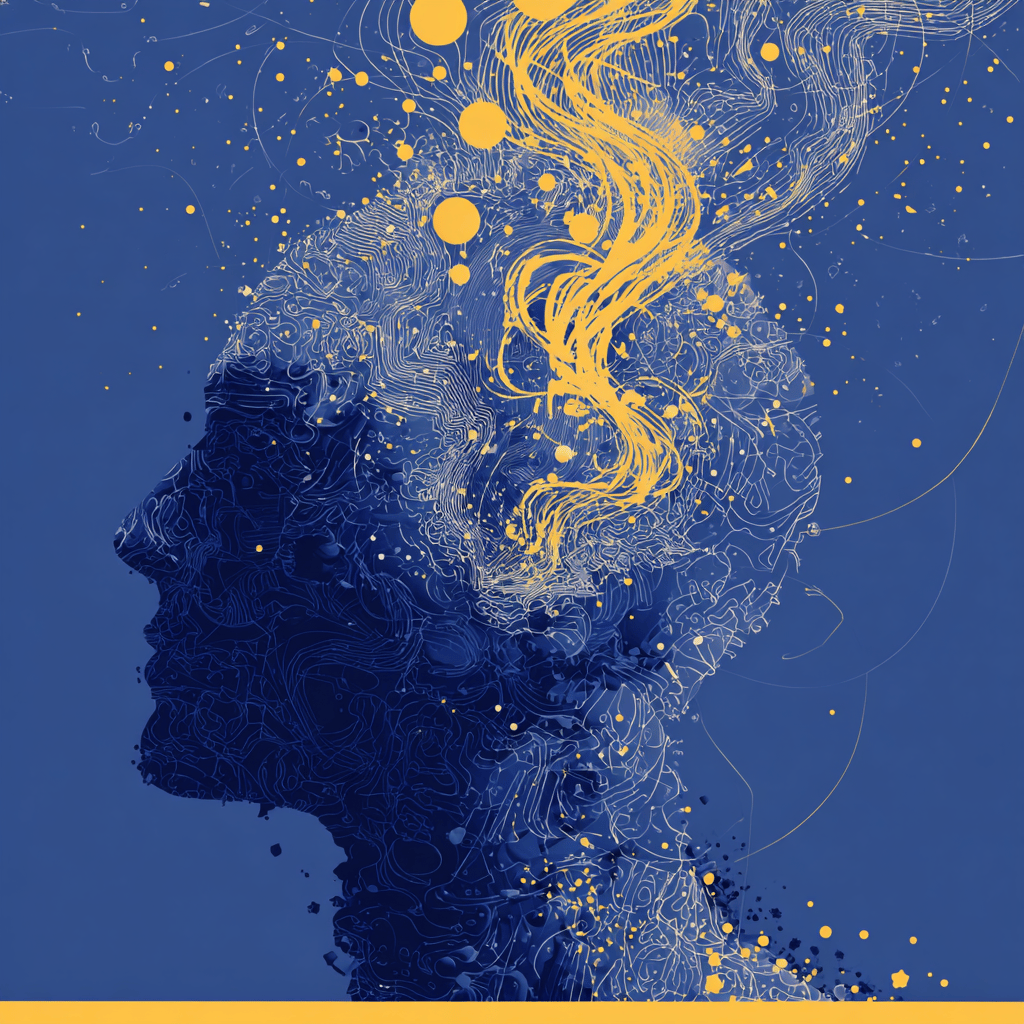
What is Deep Work?
Deep work refers to a state of distraction-free concentration where your brain operates at its peak. This is when you produce high-quality output, learn difficult things quickly, and generate innovative solutions. But what’s happening in the brain during this state?
The Brain in Deep Work: An Inside Look
1. Brain Waves: Alpha, Beta, and Beyond
Beta waves dominate during focused problem-solving and active thinking.
Alpha waves appear in relaxed but alert states often as a precursor to flow.
During deep work, a balance between alpha and low-beta waves facilitates mental clarity and sustained attention span.
2. Neurotransmitters: Dopamine and Focus
Deep work triggers dopamine release, the “motivation molecule” responsible for drive and pleasure.
Dopamine reinforces focused attention, making the act of working deeply feel more rewarding over time.
3. Prefrontal Cortex Activation
The prefrontal cortex, associated with decision-making and self-control, lights up during deep work.
It helps suppress distractions and manage task switching, allowing you to stay immersed in a task.
Entering the Flow State
What is Flow?
Coined by psychologist Mihaly Csikszentmihalyi, flow is a mental state of full immersion in an activity, where skill and challenge are perfectly balanced.
Key Flow Triggers:
Clear goals
Immediate feedback
A balance between challenge and ability
Elimination of distractions
Complete concentration
Neural Pathways and Flow
Repetitive deep work strengthens neural pathways associated with concentration and problem-solving.
The brain becomes more efficient at ignoring irrelevant stimuli, lowering cognitive load.
Flow enhances synaptic plasticity, improving learning speed and long-term memory.
Challenges to Deep Work
Task switching fragments attention and weakens focus.
Cognitive overload from constant notifications can derail flow.
High stress levels reduce the brain’s capacity to enter deep states due to increased cortisol.
Techniques to Induce Flow
1. Mindfulness & Meditation: Train the brain to stay present and reduce mental clutter.
2. Time Blocking: Allocate chunks of time for uninterrupted work.
3. Environment Design: Remove distractions; use noise-canceling headphones or calming background music.
4. Pomodoro + Deep Work Blocks: Combine short sprints with longer focus periods.
5. Concentration Techniques: Try single-tasking, mental cues, or breathing exercises to sharpen focus.
Real-World Applications of Deep Work
Writers & Creators enter flow to produce inspired work effortlessly.
Software Engineers use deep work to debug and build complex systems.
Students & Researchers boost enhanced learning through focused study sessions.
Executives & Entrepreneurs make better decisions with higher mental clarity.
Final Thoughts
Deep work isn’t just a productivity hack. It’s a neuroscientific advantage. By aligning your environment and habits with how your brain works best, you unlock the power of flow, increase your output, and feel more fulfilled.
Start small. Be intentional. And train your mind like a muscle because focus is your greatest asset in the age of distraction.
 CreativeSpace - Think Bold. Grow Bold.